

Overview
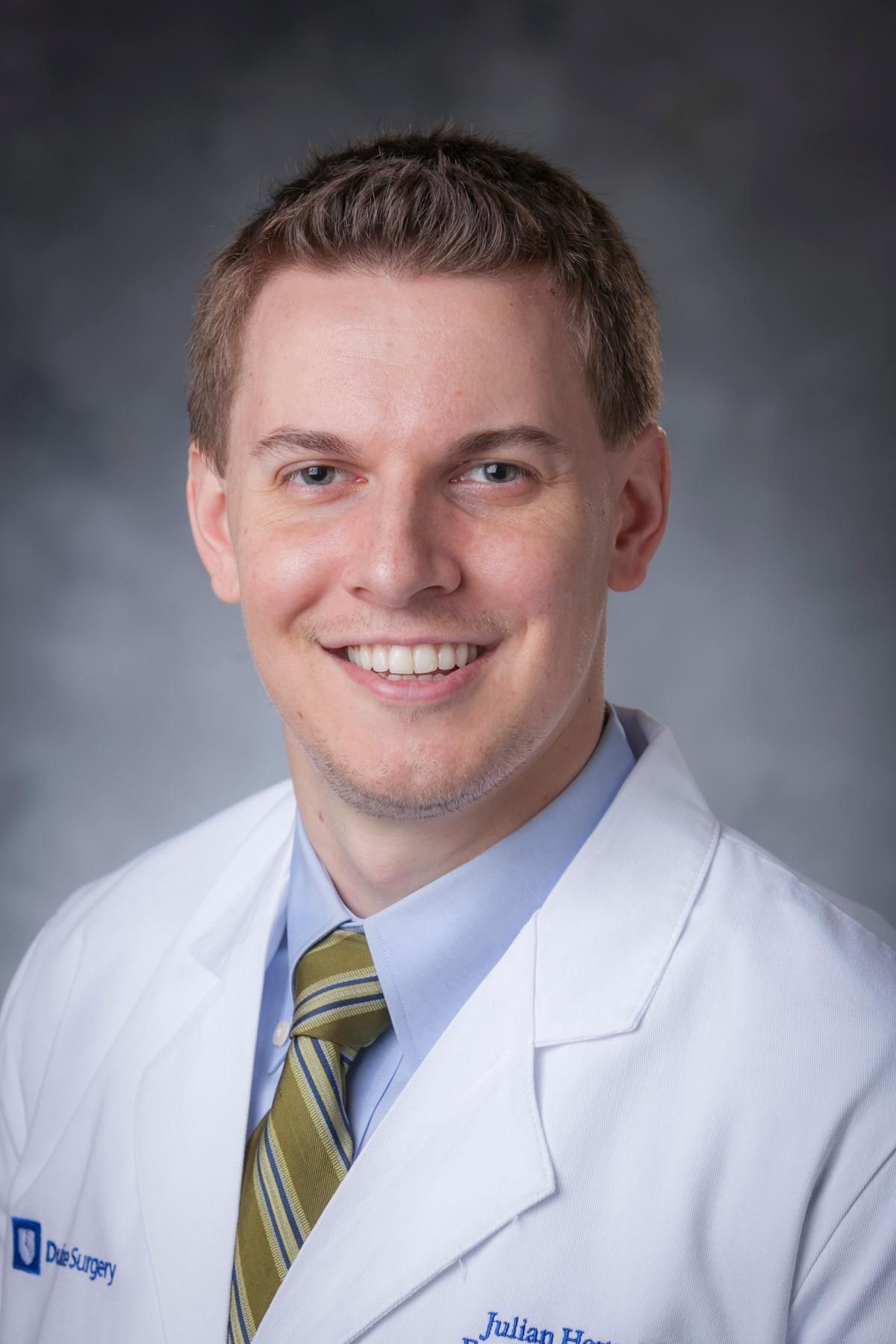
Julian Hertz, MD, MSc, is an Associate Professor of Emergency Medicine & Global Health. He graduated summa cum laude from Princeton University and attended medical school at Duke University, where he received the Dean's Merit Scholarship and the Thomas Jefferson Award for leadership. He completed his residency training in emergency medicine at Vanderbilt University Medical Center and his fellowship in Global Health at Duke.
Dr. Hertz's primary interests include global health, implementation science, and undergraduate and graduate medical education. Dr. Hertz's research focuses on using implementation science methods to improve cardiovascular care both locally and globally. His current projects involve developing interventions to improve acute myocardial infarction care in Tanzania, to improve management of hypertension among Tanzanians with HIV, and to improve post-hospital care among patients with multimorbidity in East Africa.
Dr. Hertz has received numerous awards for clinical, educational, and research excellence, including the Duke Emergency Medicine Faculty Teacher of the Year Award, the Duke Emergency Medicine Faculty Clinician of the Year Award, and the Duke Emergency Medicine Faculty Researcher of the Year Award. He has also received the Golden Apple Teaching Award from the Duke medical student body, the Duke Master Clinician/Teacher Award, and the Global Academic Achievement Award from the Society of Academic Emergency Medicine.
Dr. Hertz's primary interests include global health, implementation science, and undergraduate and graduate medical education. Dr. Hertz's research focuses on using implementation science methods to improve cardiovascular care both locally and globally. His current projects involve developing interventions to improve acute myocardial infarction care in Tanzania, to improve management of hypertension among Tanzanians with HIV, and to improve post-hospital care among patients with multimorbidity in East Africa.
Dr. Hertz has received numerous awards for clinical, educational, and research excellence, including the Duke Emergency Medicine Faculty Teacher of the Year Award, the Duke Emergency Medicine Faculty Clinician of the Year Award, and the Duke Emergency Medicine Faculty Researcher of the Year Award. He has also received the Golden Apple Teaching Award from the Duke medical student body, the Duke Master Clinician/Teacher Award, and the Global Academic Achievement Award from the Society of Academic Emergency Medicine.
Current Appointments & Affiliations
Associate Professor of Emergency Medicine
·
2023 - Present
Emergency Medicine,
Clinical Science Departments
Associate Research Professor of Global Health
·
2023 - Present
Duke Global Health Institute,
University Institutes and Centers
Education, Training & Certifications
Duke University, School of Medicine ·
2013
M.D.
Princeton University ·
2007
B.A.